When an air conditioner falls behind, the cause is almost never mysterious. It is a short list of common problems, most of them inexpensive to correct, and in LaSalle a plain-language look at that list is often all a homeowner needs to know what to do next.
The Dirt Problems: Filter, Coils, and Condenser
A clogged filter. Restricted airflow forces longer run times to reach the same thermostat setting. Dirty coils. Dust on the indoor and outdoor coils slows heat exchange, so the system moves less heat per cycle and compensates with extra runtime.
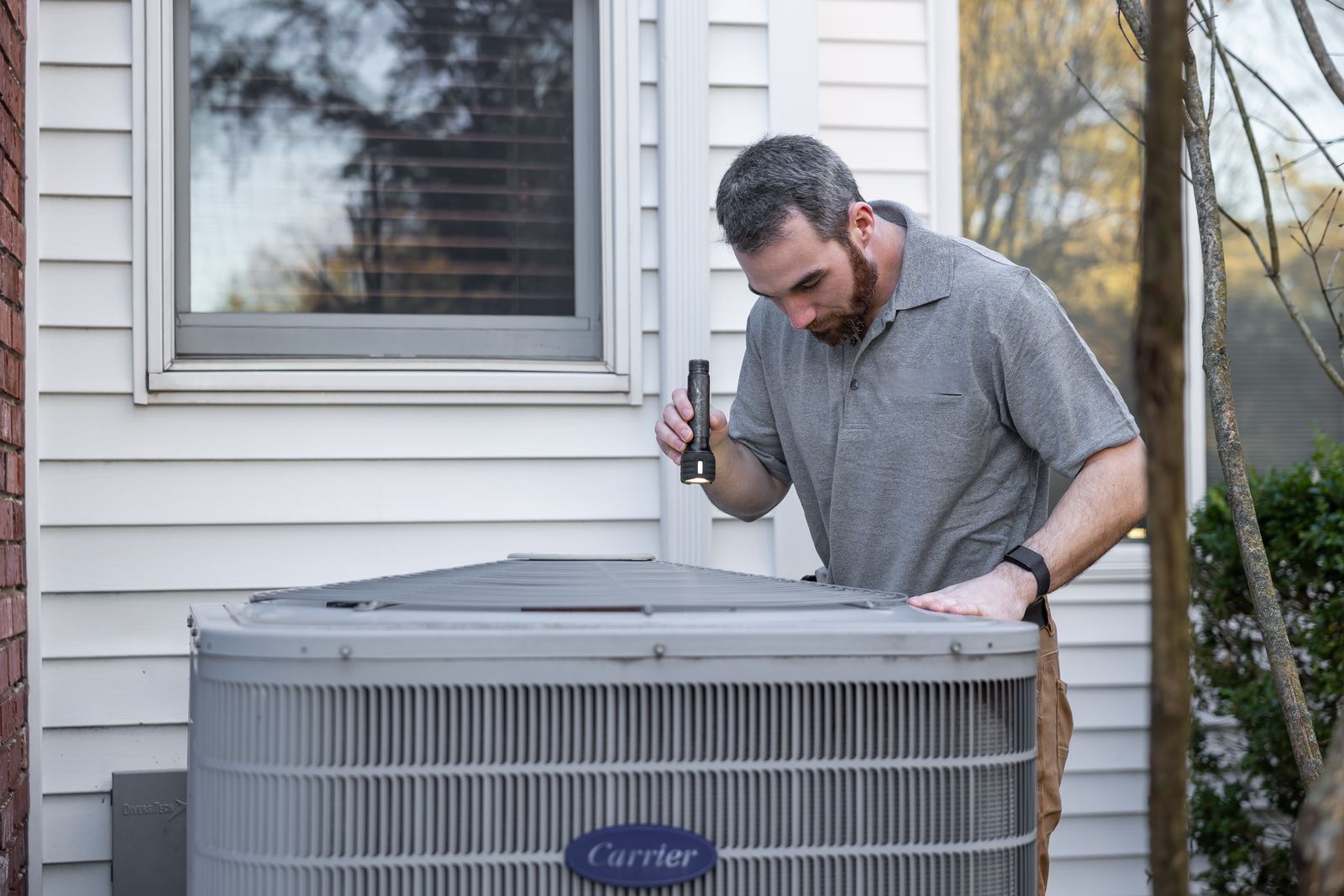
A blocked condenser. Debris crowded around the outdoor unit traps the very heat it is trying to dump, and the whole system slows to a crawl on the hottest days of the year.
Could the Unit Simply Be Outmatched?
An aging system. Older blowers move less air and older coils transfer less heat, a slow fade most homeowners notice over a season or two. An undersized unit. A system that was never matched to the home runs flat out and still loses ground on hot afternoons. Homes change, too: additions, finished rooms, and extra sun exposure can quietly outgrow equipment that was properly sized the day it was installed.
A Quick Reference Before You Call
Sticky air, good temperature? Think dehumidification and long cycles. Weak airflow everywhere? Filter or blower. Ice on the lines? Refrigerant or airflow; turn the system off and call for service. Runs all day? Size, age, or house leaks.
If your AC is clean and properly charged but the air still feels damp, a standalone dehumidifier can take over the moisture work. Taking humidity off the AC's plate often lets shorter cooling cycles keep the whole house comfortable.
The Job a Correctly Sized AC Has to Do
Sizing an air conditioner is a calculation, not a guess. The right unit cools the house on a hot afternoon and dehumidifies it at the same time, because moisture removal is half of what the equipment does. On humid Ontario days the workload roughly doubles: the system must lower the temperature and wring water out of the air before either job reads as finished.
A correctly sized unit runs long cycles on those days and then shuts off. If yours never shuts off, or the house stays sticky regardless, the equipment and the home both deserve a closer look.
Two Problems Best Left to a Technician
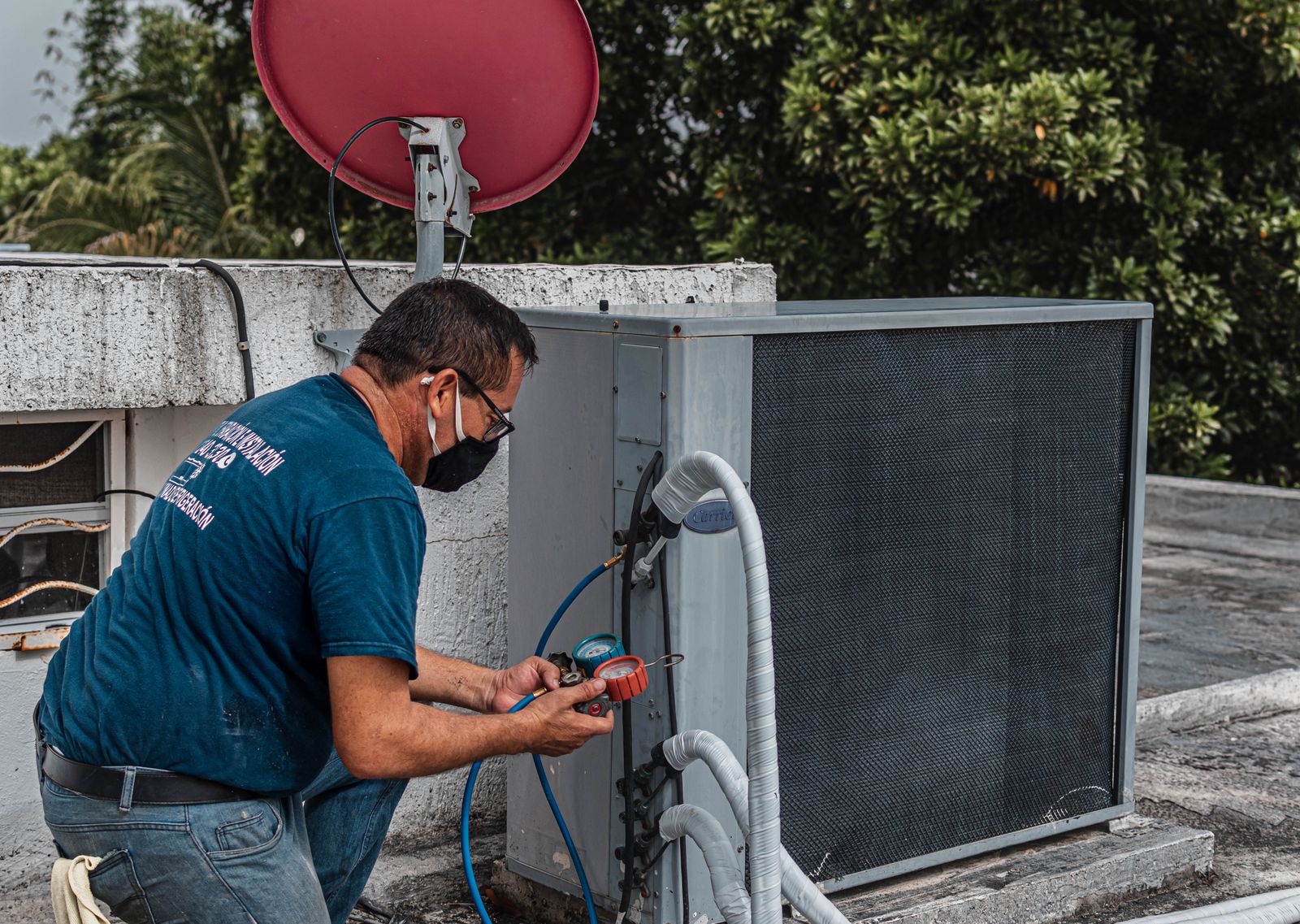
Low refrigerant. If a leak has left the charge low, the indoor coil runs too cold, icing over and choking airflow to a trickle. A leaky house. Gaps and thin insulation let warm, humid air pour in faster than the vents can push cool air out.
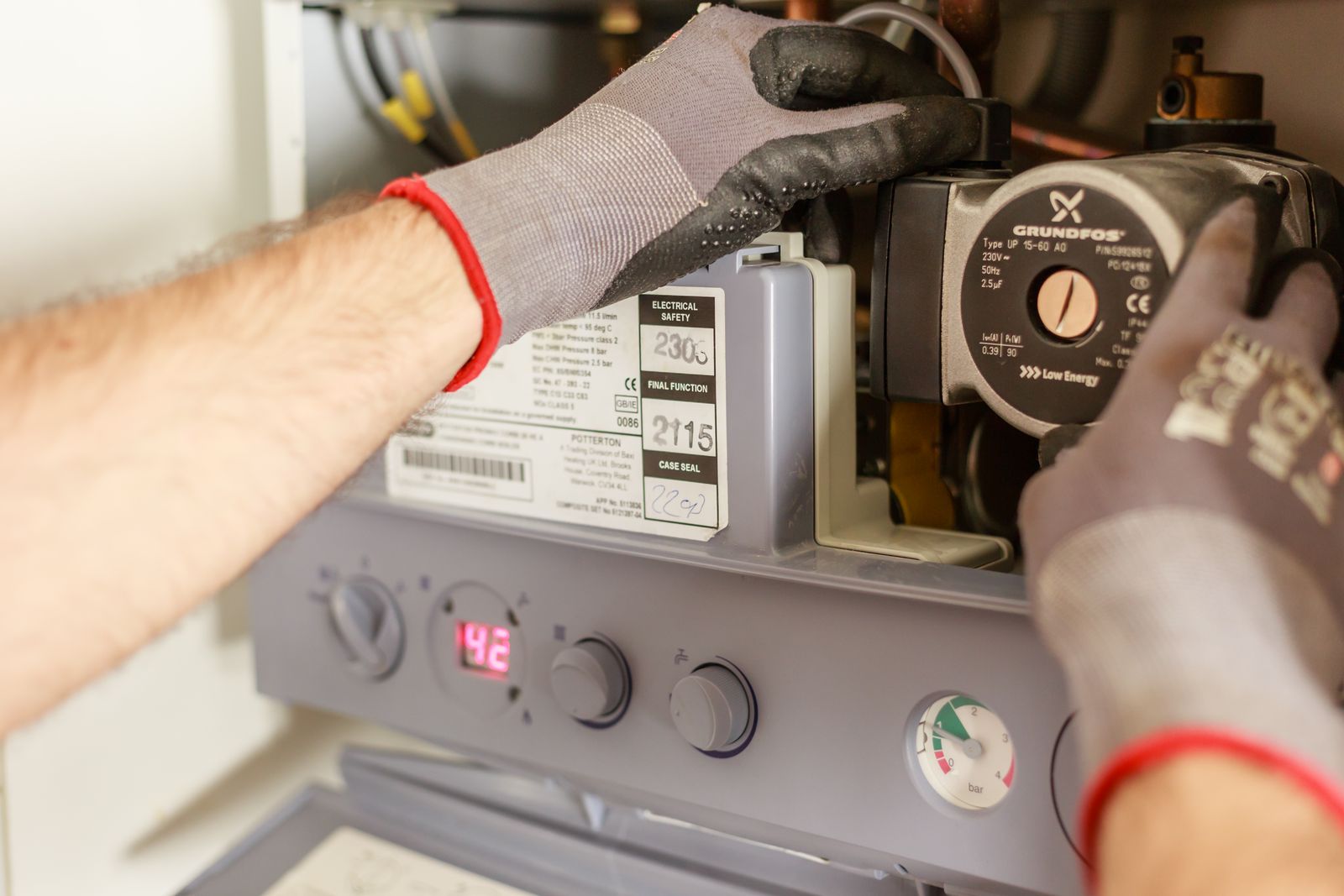
A qualified service technician can measure the airflow drop across the coil, test the charge for leaks, and inspect the duct system for restrictions, then walk you through the findings rather than recommending work on a hunch. That measurement step matters.