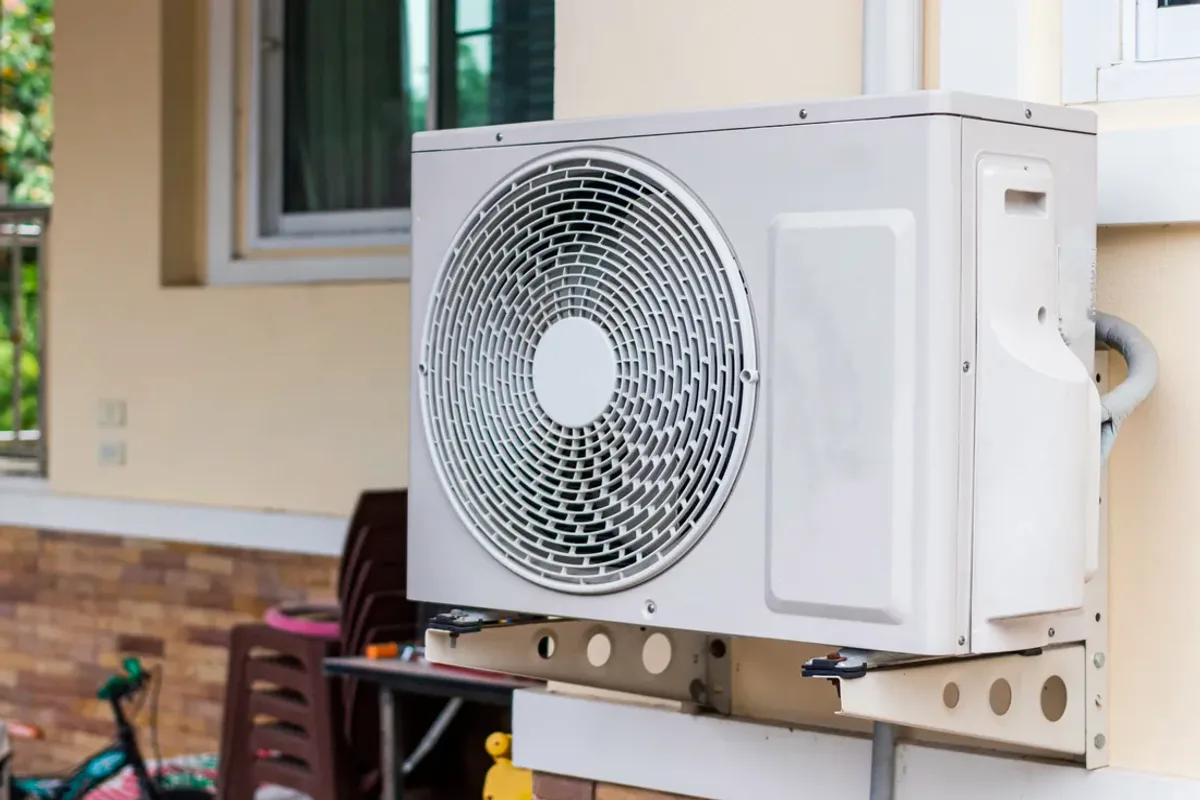
Request heat pump repair & installation for a property in LaSalle. Include the equipment, the problem or planned work, and your location so the request can be reviewed.
How can I tell whether a heat pump needs repair or a replacement assessment?
A heat pump that provides less heating or cooling, develops ice, makes unusual noise, or runs without reaching the thermostat setting needs a system-specific assessment. Possible causes include airflow, defrost controls, electrical components, refrigerant-circuit faults, or a reversing valve, depending on the model. Repair and installation are different decisions: measured operating conditions guide fault diagnosis, while load, distribution, and equipment compatibility guide replacement selection. Identify whether the system is ducted or ductless and describe the affected mode.
Record the model, whether the problem occurs in heating, cooling, or both, and any displayed fault code, unusual noise, or visible ice. Note whether the indoor airflow has changed and whether the outdoor unit continues operating. Refrigerant pressures, electrical draws, and defrost operation require qualified measurement. These observations help distinguish a service fault from a system-selection concern without assuming that ice or reduced output alone proves equipment failure.
Heat pump heating, cooling, defrost, and refrigerant-related faults
Ducted and ductless repair and maintenance assessment
Standard or cold-climate installation and replacement choices
Assessment and Scope
Questions for the Proposed Work
01
Measure before repairing a suspected fault
Reduced output can result from a control or defrost problem, restricted airflow, an electrical fault, refrigerant-circuit trouble, or a reversing-valve issue on applicable equipment. Inspection compares operating conditions with the manufacturer's specifications to locate the cause; replacing parts by symptom alone can miss it. Ducted and ductless systems also distribute air differently. Record when the change began and which operating mode is affected, while leaving internal electrical and refrigerant work to qualified service.
02
Keep maintenance distinct from fault repair
Maintenance findings may include coil condition, airflow, controls, and operation during a defrost cycle, as applicable to the model. Manufacturer instructions and inspection results determine which care is appropriate; a tune-up should not be described as a guaranteed restoration of original efficiency. If a refrigerant charge concern or electrical fault is found, that becomes a separate diagnostic and repair scope. Service history can show whether reduced output is recurring or a recent change.
03
Compare repair with a properly scoped installation
A confirmed repairable component fault may justify repair, while major damage or repeated problems can prompt a replacement comparison. Installation selection depends on the property's measured heating and cooling loads, ducted or ductless distribution, electrical requirements, and compatibility with existing controls. Standard and cold-climate models have different operating characteristics, so compare model-specific information rather than assuming one category suits every property. A failed compressor is a significant finding, but the full system condition still informs the decision.
Compare the next step
Agree on a mechanical design before the renovation closes access to ducts, controls, and wiring. Ask which contractor owns each interface and what happens if the planned envelope work changes. Record the final equipment models and commissioning sequence after the related construction and electrical work are complete.
Cold-climate capability does not prove that one model covers every home heating load. Ask how the selected equipment and supplementary heat meet the actual design requirements.