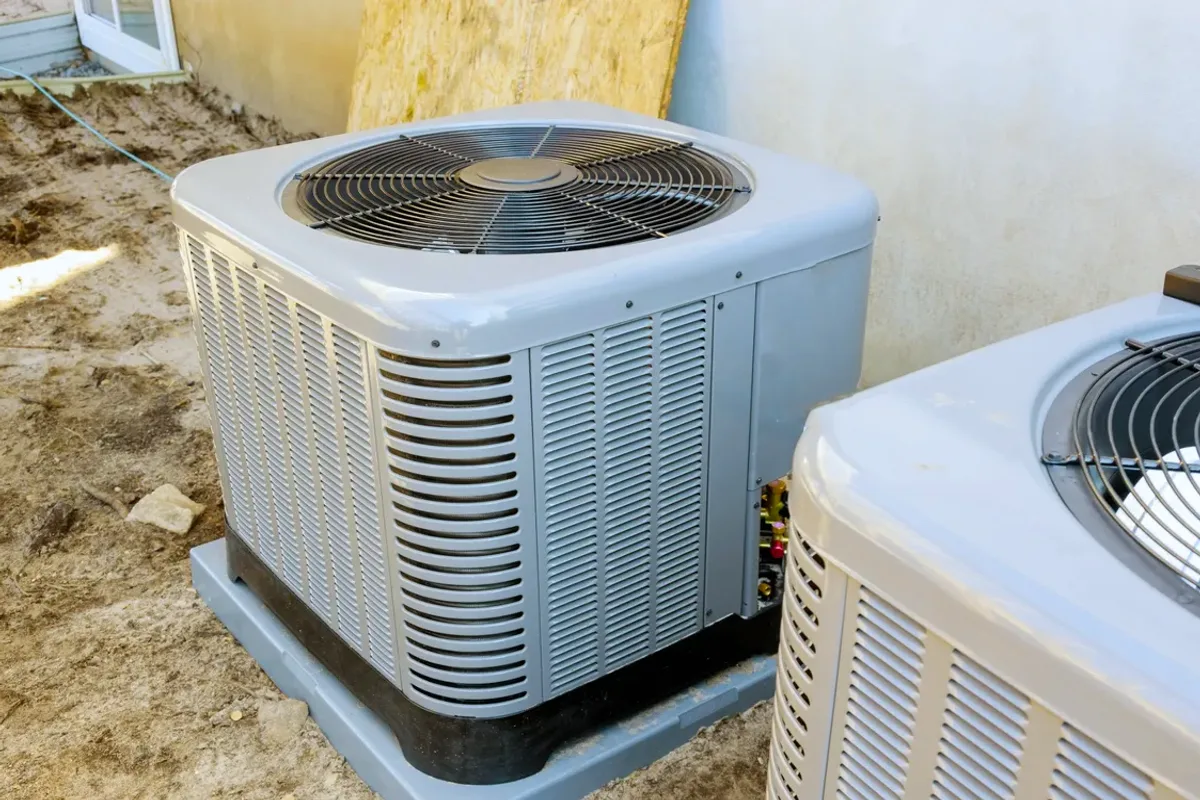
What details help diagnose an air conditioner that is running but not cooling?
An air conditioner that will not start, blows warm air, cycles unusually, leaks water, or makes noise needs diagnosis before parts or replacement are considered. Central air and ductless mini-splits have different layouts and controls, so the equipment type and model help define the inspection. The reported symptom also matters: a failed electrical component, restricted airflow, condensate drainage issue, or refrigerant-circuit fault can produce similar comfort complaints but require different repair decisions.
Report whether the indoor unit, outdoor unit, or both appear to operate, when cooling changes, and whether there is water, ice, noise, or a displayed fault code. Note whether the system is central air or ductless and provide its model if available. Refrigerant, electrical, and internal control checks require qualified service; occupants should not open equipment or handle refrigerant.
Central air and ductless mini-split repair
Electrical controls, coils, refrigerant circuit, airflow, and drainage
Maintenance inspection and repair-versus-replacement assessment
Assessment and Scope
Questions for the Proposed Work
01
Trace the symptom to the relevant component
A system that does not start may involve a capacitor, contactor, wiring, or control-board fault; warm supply air can instead involve airflow, the refrigerant circuit, or a reversing control on applicable equipment. Diagnosis compares operating signals and measured conditions rather than assuming one part has failed. Central systems and ductless units have different components and access points, so the model and exact symptom help establish the appropriate repair scope.
02
Treat maintenance findings as separate from repair
Inspection and maintenance can include coil condition, airflow, thermostat response, condensate drainage, and system controls, with tasks guided by equipment instructions and findings. A blocked drain or dirty coil may call for maintenance, while a failed electrical component requires repair. Refrigerant concerns need qualified assessment rather than topping up by assumption. Service records and notes about recurring water, ice, or airflow changes help determine whether an issue is new or persistent.
03
Weigh a major repair against replacement
A repair may be appropriate when a specific fault is confirmed and the remaining equipment is serviceable. If the diagnosis identifies extensive damage or repeated component failures, replacement can be compared with further repair. The system type, age, repair history, and condition of coils and controls all affect that comparison. For a central system or ductless unit, replacement scope also depends on which existing components can remain compatible with the proposed equipment.
Compare the next step
Agree on the sequence for any cooling-line, drain, coil, or outdoor-unit changes. Ask what testing must happen before routes are concealed and what access remains afterward. State who restores walls or landscaping and when the system can return to service as other renovation trades finish their work.
Do not open electrical panels or handle refrigerant. If ice, water near electrical equipment, or abnormal operation is present, stop using the affected system and request an assessment.