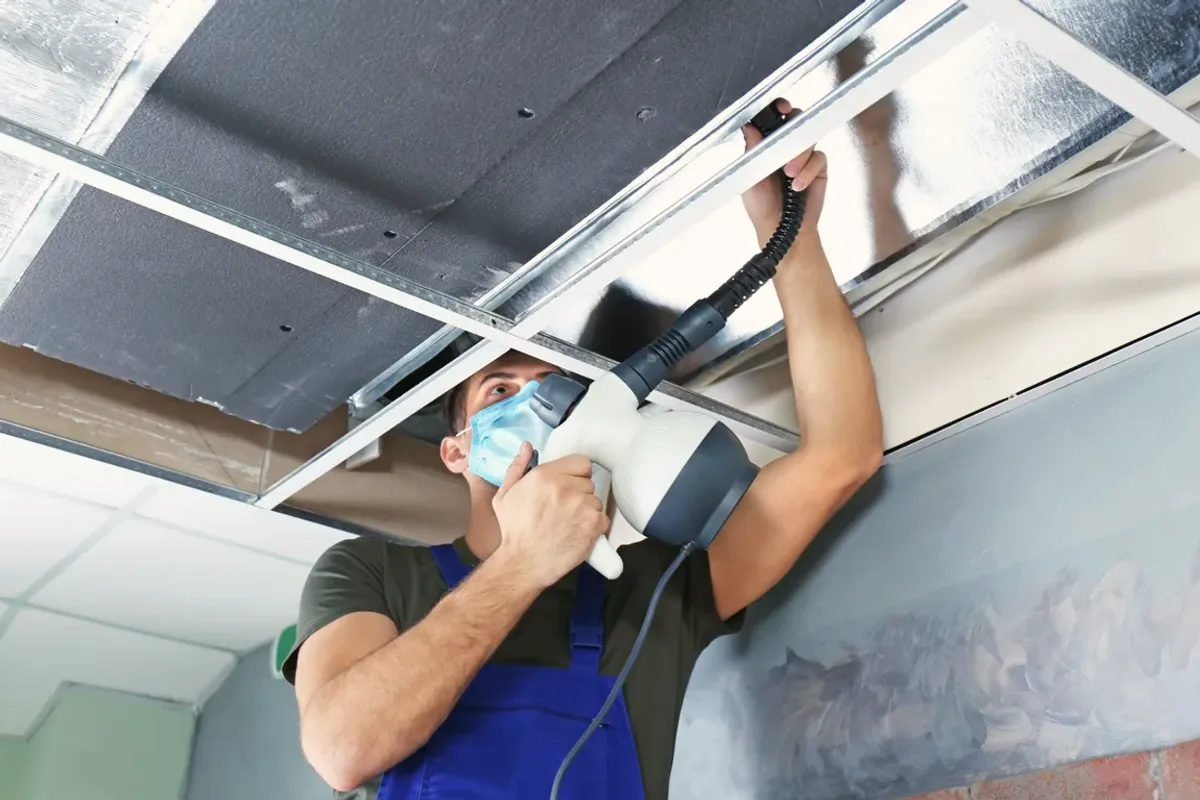
When is duct cleaning worth assessing, and what else can cause weak airflow?
Duct cleaning is a condition-based service, not an automatic maintenance task for every home. Visible debris, substantial renovation dust, a persistent duct-related odour, or a suspected obstruction can justify inspection of accessible supply and return runs. Weak airflow may also come from a filter, blower, closed branch, or equipment fault, so cleaning should not be assumed to be the remedy. The duct system's condition and the source of the reported concern determine the appropriate scope.
Describe the concern, when it began, whether it affects specific vents, and whether recent renovation work or visible debris is present. A musty smell calls for identifying its source, while weak airflow needs comparison across branches and equipment operation. Inspection findings establish whether duct cleaning, a separate repair, or no duct work is appropriate. Cleaning should not be scheduled routinely without a specific condition and a reason tied to the duct system.
Condition-based cleaning of supply and return ductwork
Airflow obstruction assessment versus equipment faults
Renovation debris, odours, and possible water-damaged duct sections
Assessment and Scope
Questions for the Proposed Work
01
Inspect the ducts before deciding to clean
Visible accumulation, renovation debris, or material obstructing an accessible duct can support a cleaning assessment. The inspection should identify where the material is located and whether it is loose debris or a sign of another problem. A smell alone does not prove that the ducts are its source; wet materials, a drain, or equipment components may need separate assessment. Define the affected supply or return sections before setting a cleaning scope.
02
Trace weak airflow beyond the ductwork
Uneven or low airflow can come from a restricted branch, but it can also reflect filter condition, blower operation, damper position, or an equipment fault. Comparing airflow at affected and unaffected vents helps identify whether the concern is localized or system-wide. Cleaning is relevant only if an obstruction or buildup is found that explains the symptom. A confirmed mechanical or control fault calls for its own diagnosis rather than duct cleaning as a substitute.
03
Address odour or renovation debris by finding the source
After renovation, inspection can determine whether construction dust has entered the supply or return runs and which sections require attention. For a persistent musty odour, look for the source before deciding whether duct cleaning is appropriate; wet or damaged duct material may need a different remedy. The scope should identify accessible components included in cleaning, such as duct runs or an air handler, without promising that cleaning will remove every odour or improve indoor air.
Compare the next step
Agree on dust protection before the renovation starts and inspect after the work that could contaminate the system. Ask whether cleaning is justified and which components are affected. Schedule any cleaning and filter attention after dust-producing work so the final condition can be recorded meaningfully.
Routine cleaning is not automatically necessary and does not guarantee health or energy benefits. Resolve moisture sources and assess damaged materials rather than treating cleaning as the only remedy.