Nobody budgets for a no-heat call in January or a no-cool call in the middle of a heat wave, which is when most LaSalle households finally think about maintenance. Start from the money instead. Here is what twice-yearly service costs, what skipping it quietly costs, and why the cheapest appointment is always the one you actually keep.
The Case for Not Waiting for a Breakdown
Emergency service calls in Ontario follow a pattern: the first cold snap and the first heat wave, when every dormant problem surfaces at once and every contractor's phone rings at the same time. By then, the system has usually been under stress for weeks.
Maintenance flips that timing. Instead of reacting to a failure, you prevent it, and prevention is cheaper on every count. Repairs happen at ordinary prices, small faults get fixed before they cascade, and the equipment runs efficiently enough to shave money off monthly bills in the meantime.
The Ideal Service Schedule in Ontario
In a climate with a real winter and a real summer, servicing HVAC equipment twice a year makes the most sense: once in spring before the air conditioner starts its season, and once in fall before the furnace takes over. That is the minimum, not a bonus.
The fall appointment matters because heating season is long and unforgiving, and you want the furnace inspected before it matters. The spring appointment matters because the air conditioner sits idle for months and needs cleaning and testing before the first hot stretch. Two visits, evenly spaced, and neither season catches you unprepared.
What the Technician Actually Does
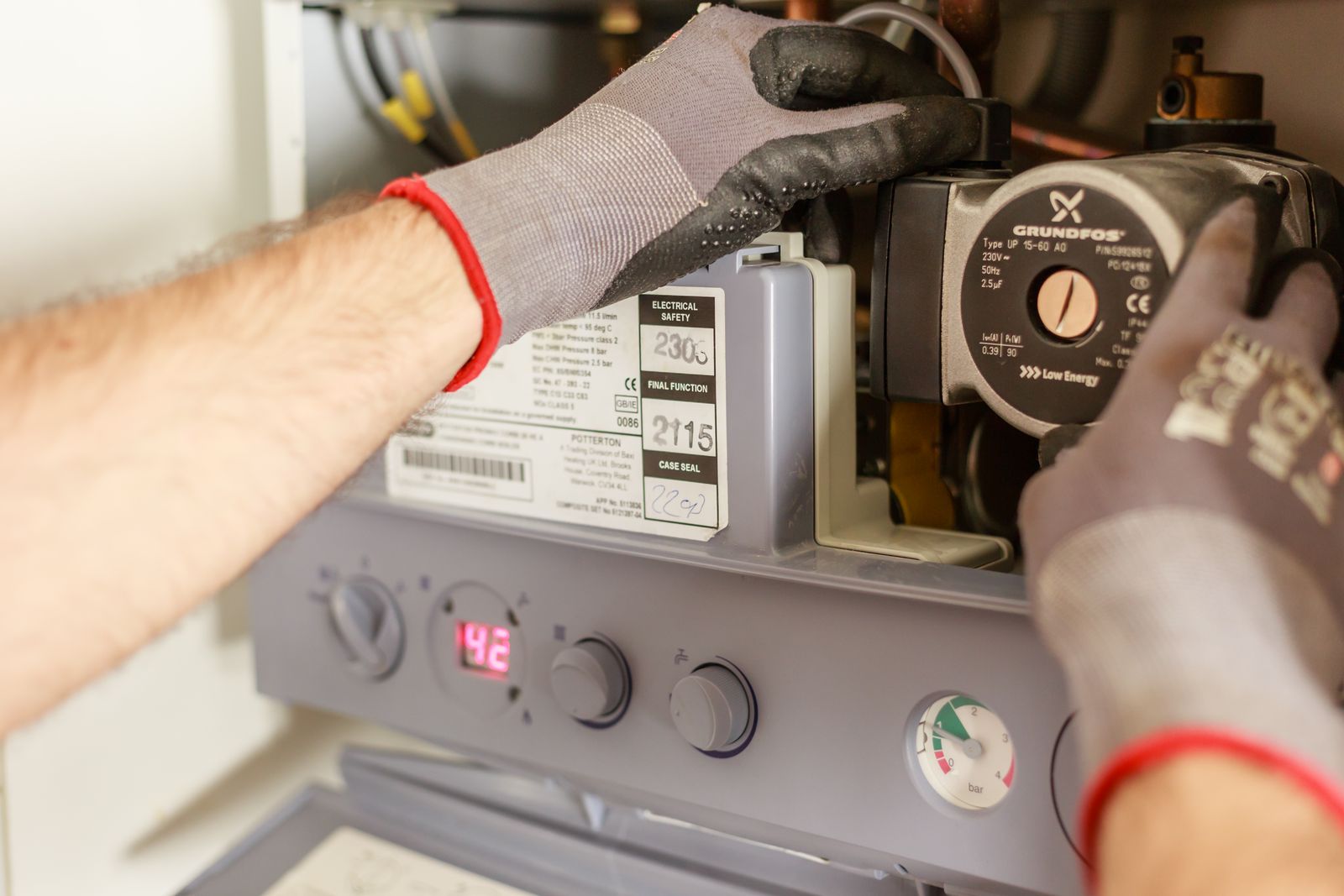
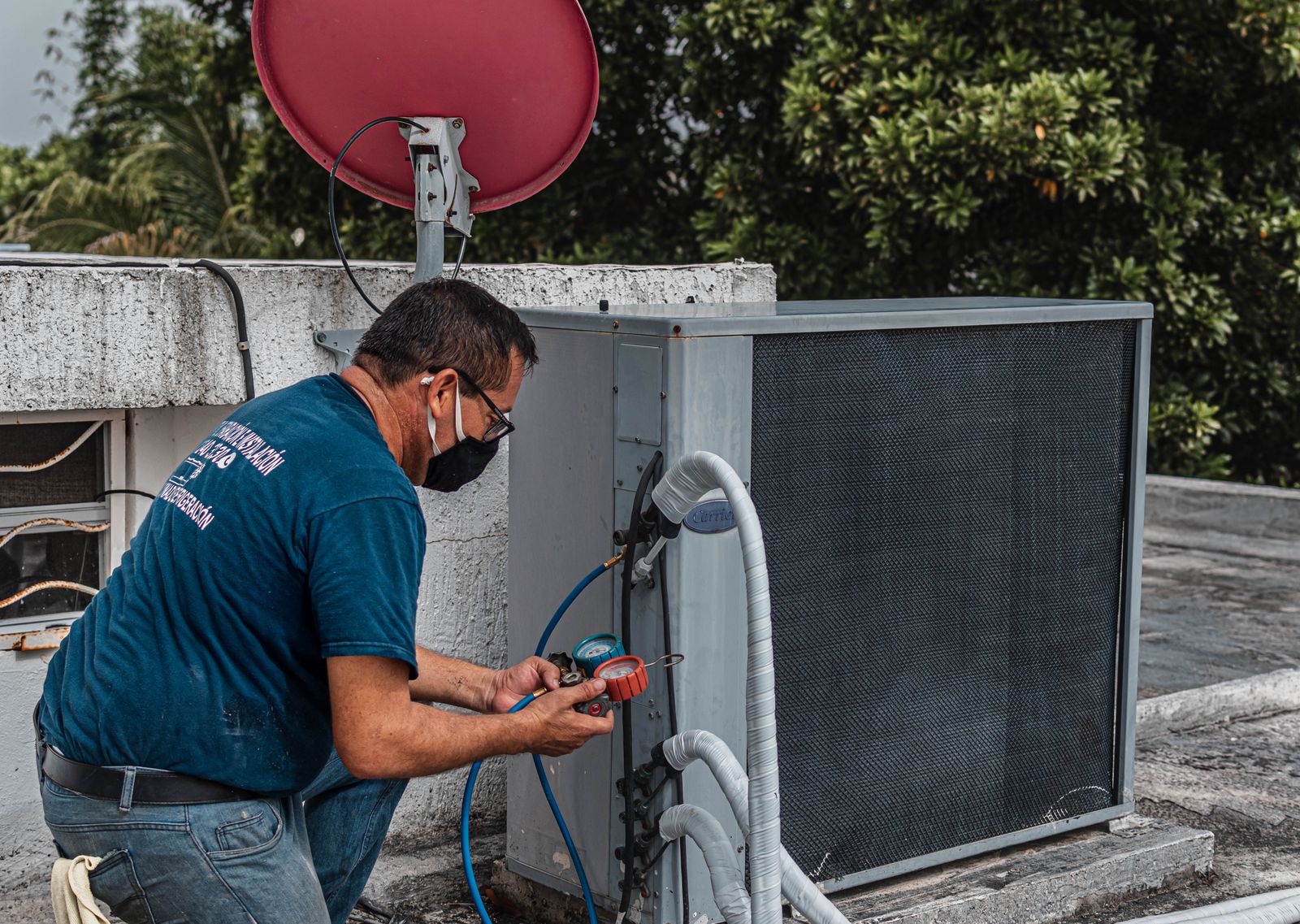
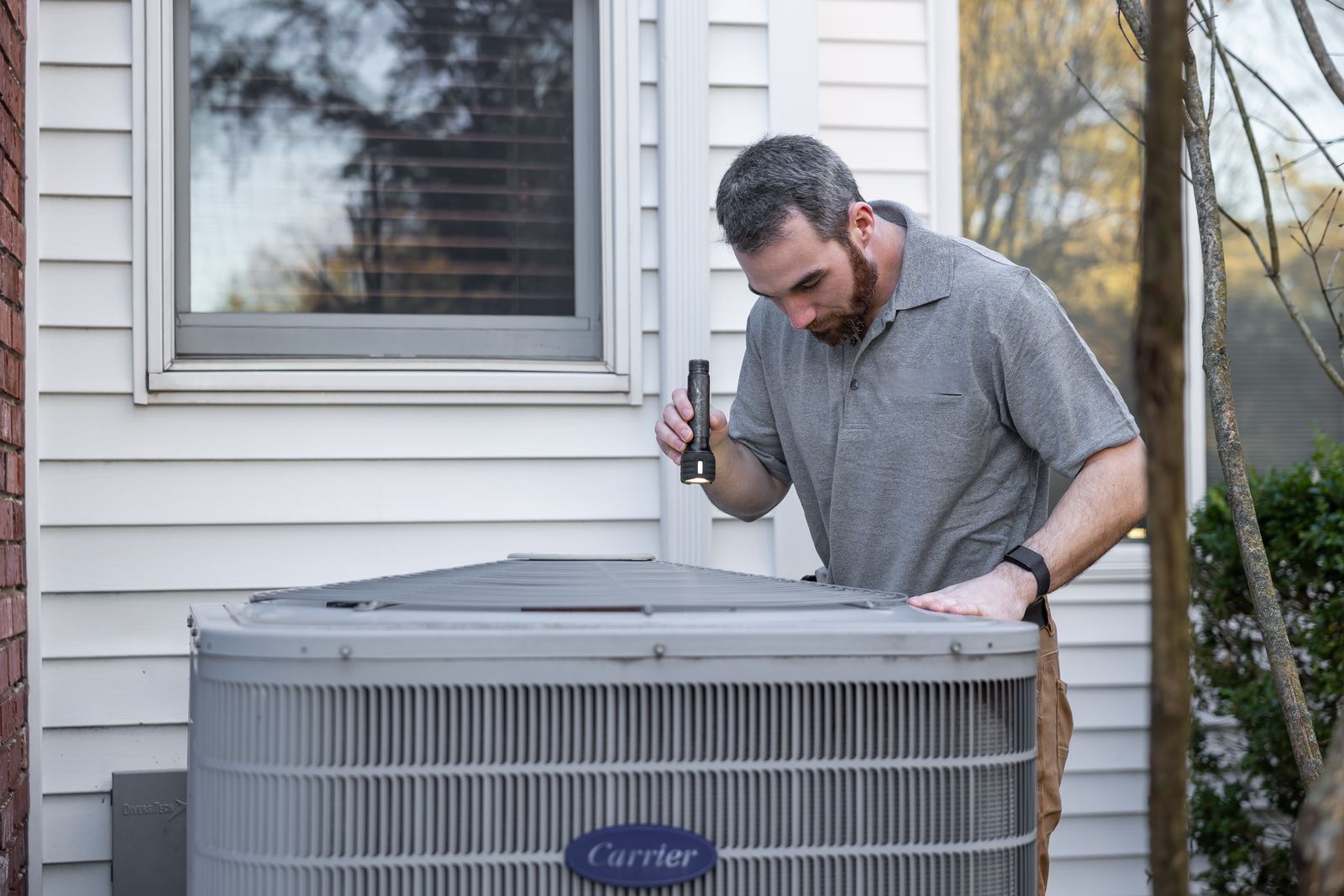
Plan on about an hour per visit, and plan on questions being answered in plain language. The cooling visit walks through refrigerant, coils, electrical parts, thermostat, and airflow. The heating visit walks through the heat exchanger, burners, gas connections, ignition, and venting, with a carbon monoxide safety review built in.
Both visits end the same way: a new filter, a system tested end to end, and a summary of anything found, from a minor adjustment made on the spot to a part worth watching next season.
Fewer Breakdowns, Lower Bills, Longer Life
The benefits of maintenance compound in three directions at once. Efficiency: clean coils, clear filters, and tuned burners mean shorter run times and visibly lower energy bills. Reliability: problems get caught at routine prices instead of emergency ones, which is why maintained homes see far fewer mid-season failures. Lifespan: equipment that is cleaned and adjusted every six months simply lasts longer, often years longer than the same units would have managed neglected.
Add it up and maintenance is one of the rare expenses that pays a return every month, not just at breakdown time.