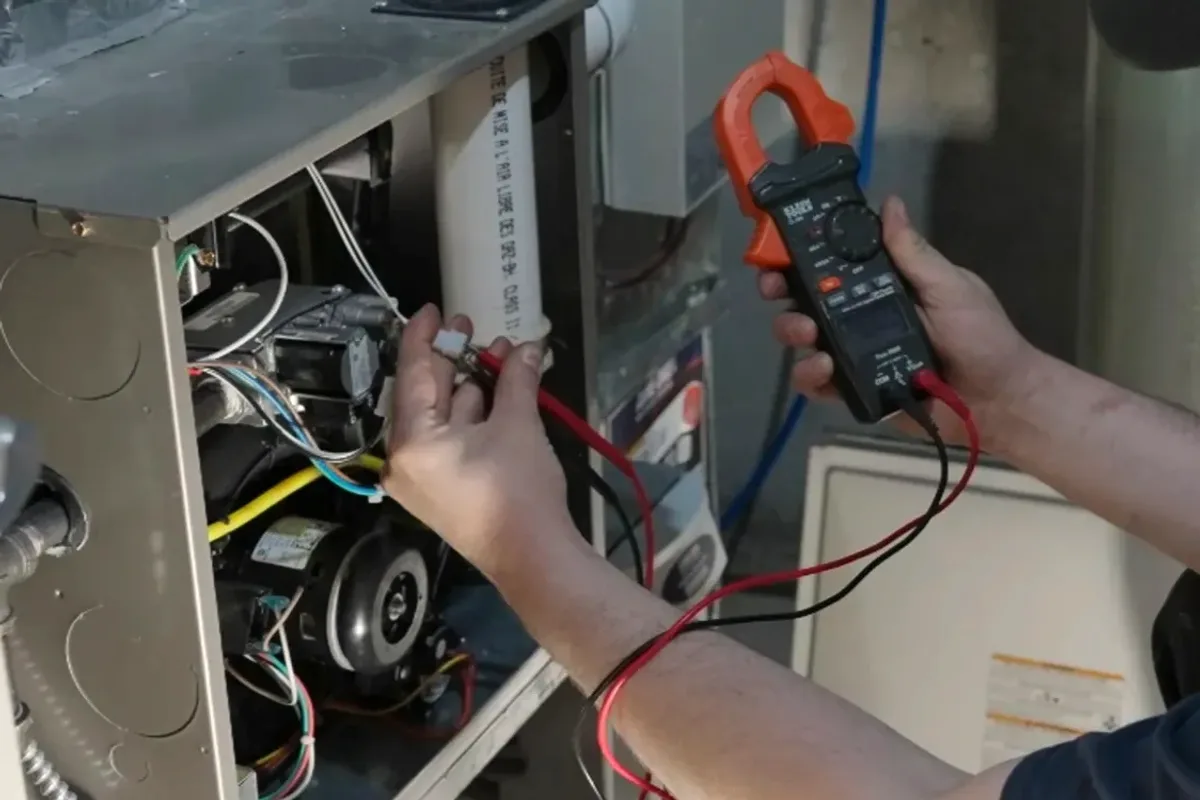
Request furnace repair for a property in LaSalle. Include the equipment, the problem or planned work, and your location so the request can be reviewed.
What should I report if my furnace will not start or is heating unevenly?
A furnace that will not start, blows cool air, makes unfamiliar noise, or heats rooms unevenly may have a control, ignition, fuel-supply, or airflow fault. Diagnosis differs by fuel and equipment: a gas or propane furnace and an oil-fired furnace do not use identical burners or ignition components. The service request can identify the fuel, model if known, symptoms, and when they occur. Those details help define whether the concern is a repair, maintenance finding, or possible replacement assessment.
Useful observations include whether the furnace starts, whether its blower runs, what the thermostat displays, and whether the problem affects all rooms or only some. The equipment label, fuel type, and any recent service records help distinguish ignition or control trouble from airflow restrictions. A qualified inspection is needed for internal electrical, fuel, combustion, and safety-control diagnosis; occupants should not open or adjust those components.
Gas, propane, and oil furnace repair
Ignition, airflow, thermostat, and operating faults
Maintenance findings and repair-versus-replacement decisions
Assessment and Scope
Questions for the Proposed Work
01
Separate ignition faults from airflow complaints
A furnace that fails to light can have an igniter, flame-sensing, fuel, or control problem, while a running furnace with weak delivery may point toward a filter, blower, or duct restriction. The distinction matters because replacing a control part will not resolve blocked airflow. Record when the fault occurs and whether the blower runs, but leave burner and internal electrical checks to a qualified service professional.
02
Use maintenance findings to guide the next step
Maintenance is an inspection and care decision, not a substitute for repairing a confirmed fault. Depending on the furnace and manufacturer instructions, relevant checks can include airflow, filter condition, burner operation, ignition, thermostat response, venting, and safety controls. Findings can reveal a maintenance need or a component requiring repair. Keep service records and note recurring symptoms so the next assessment can compare changes rather than repeat guesswork.
03
Compare repair with replacement on evidence
An isolated fault on a serviceable furnace may support repair, while repeated failures or a major component problem can make replacement worth evaluating. Age alone does not identify the cause. Compare the diagnosed condition, parts availability, repair history, and the existing system's operating characteristics. For an older single-stage furnace that runs for long periods, replacement options may differ from those for a newer high-efficiency model, including venting and control requirements.
Compare the next step
Identify the work that happens before and after duct or electrical changes so a furnace fault is assessed in the correct construction context. Ask how equipment will be protected during dusty work and which operating checks follow completion. Keep required access open rather than plan the mechanical-room finish independently.
Leave burner, fuel, venting, electrical, and internal equipment work to a qualified contractor. Do not bypass a safety switch or repeatedly reset a furnace.