Most furnace problems are comfort problems. A few are safety problems, and knowing the difference is the whole game. This safety-first rundown covers the five signs LaSalle technicians treat seriously, from grinding bearings to a pilot flame burning the wrong colour, and how fast each one deserves a response.
The Soundtrack of a Wearing Furnace
Noises are the earliest warning most furnaces give. Grinding and screeching come from the blower: worn bearings, a failing belt, a motor working against friction. Rattling sits lower on the worry scale and usually means something loose, like a panel, screw or duct section, but it can also be a cracking component. Clicking that repeats without a flame is an ignition fault, usually the flame sensor or igniter. If a sound is loud enough to hear over the television in LaSalle living rooms this winter, it is loud enough to book a repair.
The Rooms That Stay Cold
Uneven heating is a symptom, not a quirk of the house. When the same rooms lag winter after winter, suspect ducts that leak or deliver out of balance, a blower that can no longer push air to the far runs, or a thermostat reading one warm spot and calling it the whole house. Weak register airflow confirms it. Air that trickles rather than streams points to a clogged filter, a duct restriction or a blower losing capacity. The system runs longer to compensate, wearing parts it should not have to.
What Happens During a Repair Visit
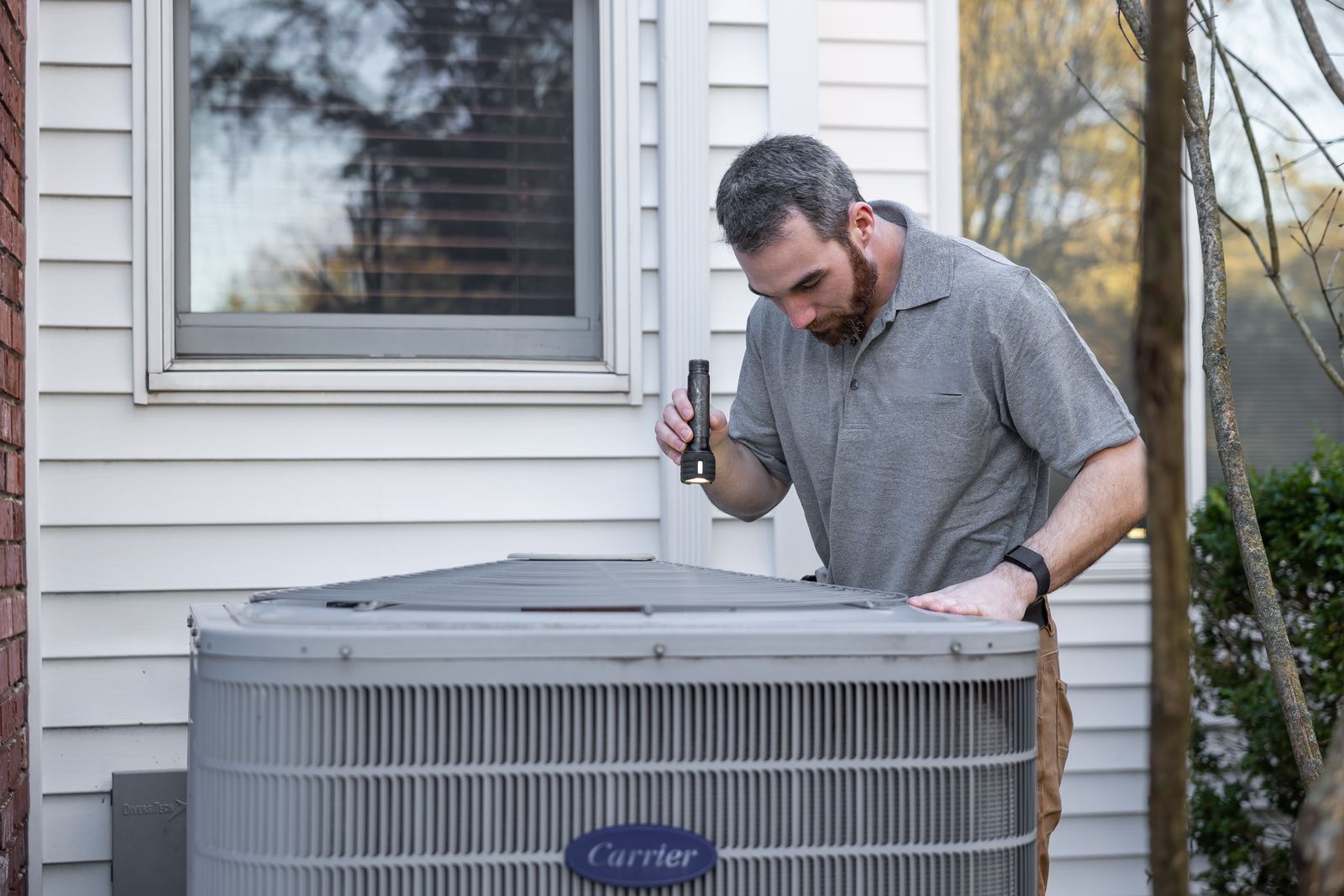
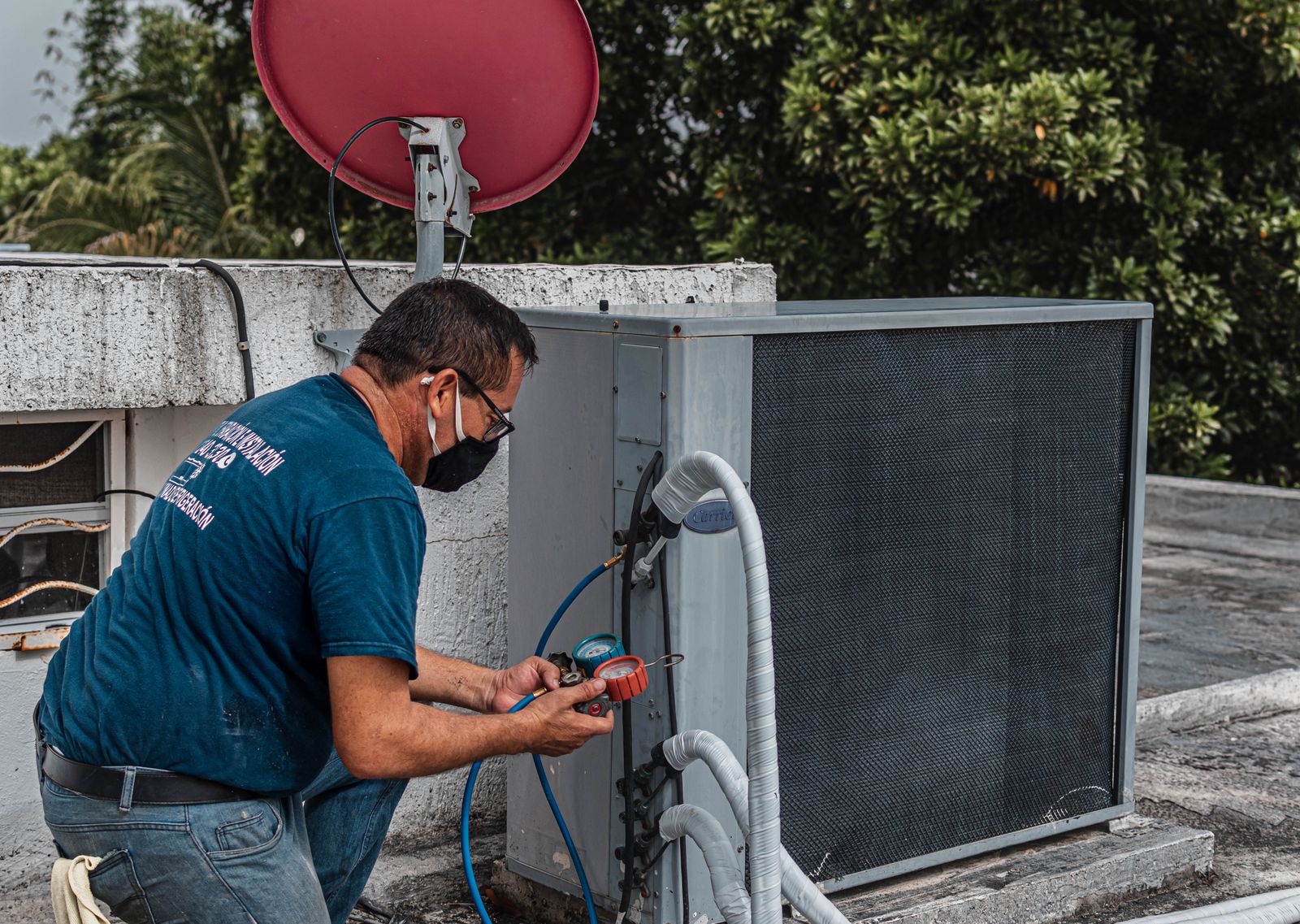
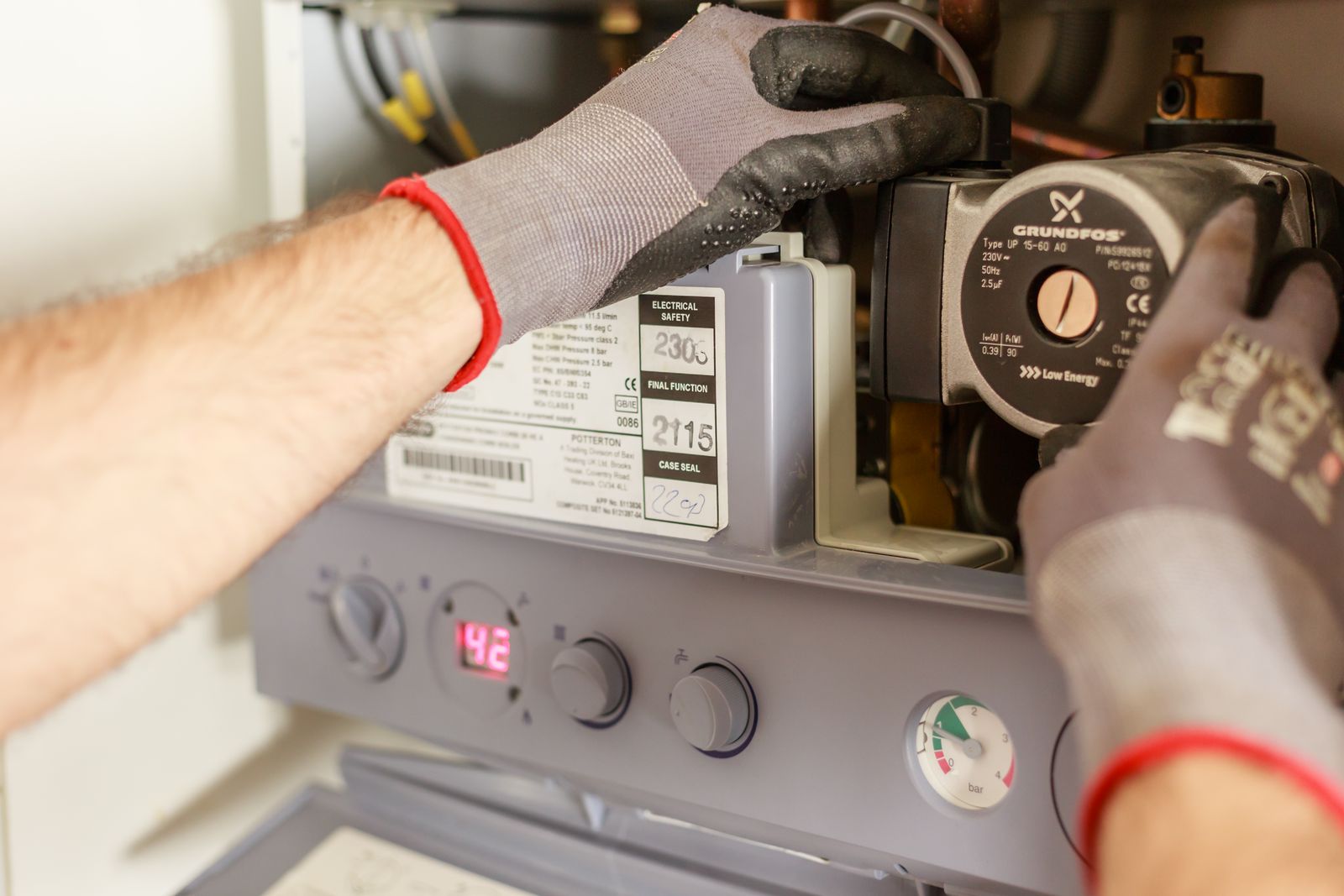
Expect a combustion test, a heat exchanger inspection, burner and flame sensor checks, an airflow measurement, a thermostat test and a carbon monoxide check at the registers. A good technician explains each finding as it happens, shows you the part if a part is the problem, and quotes firm prices whether the fix turns out to be a ten-minute adjustment or a full repair. Homeowners in LaSalle deserve that much clarity before opening the chequebook.
The One Sign That Is About Safety
A yellow pilot light. On a gas furnace, the pilot flame should burn steady and blue. A yellow or orange, flickering flame means the gas is not burning cleanly, which points to a combustion problem and can be linked to carbon monoxide production. Stop using the furnace and have it checked by a licensed technician right away, and keep working CO alarms outside the sleeping areas. This is the sign that overrides every schedule. LaSalle Heating & Cooling prioritizes combustion calls across LaSalle for exactly this reason: safety issues get same-day attention, comfort issues get appointments.
What Your Runtime and Bill Are Telling You
Rising energy bills. Compare this winter's gas bill with the same month a year ago. If usage climbed with no colder weather to explain it, the furnace is running longer to deliver the same heat, the classic signature of falling efficiency: a clogged filter, dirty burners or worn parts. Frequent cycling on and off. A furnace that starts, runs a few minutes, shuts down and repeats is short cycling, usually from a dirty filter, a thermostat fault or restricted airflow, and every restart wears the igniter and controls.